Acrylic bender
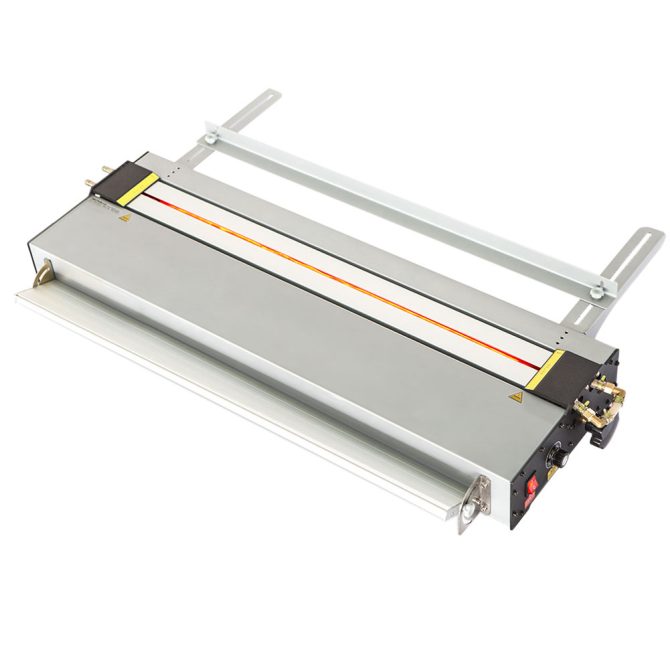
An acrylic bender is used to create clean, precise bends in thermoplastic sheet materials such as acrylic (Perspex). Instead of cutting, it applies heat along a straight line, softening the material so it can be folded to a desired angle. This makes it ideal for creating display stands, signage, boxes, enclosures, and custom-designed objects with crisp, professional-looking folds.
Auahatanga Creative Spaces: PricingAuahatanga Creative Spaces: Pricing
The acrylic bender is available at Tūranga during Creative Times.
If you need personalised assistance or would like support with a more complex project, you can Book a Creative session.
How it works
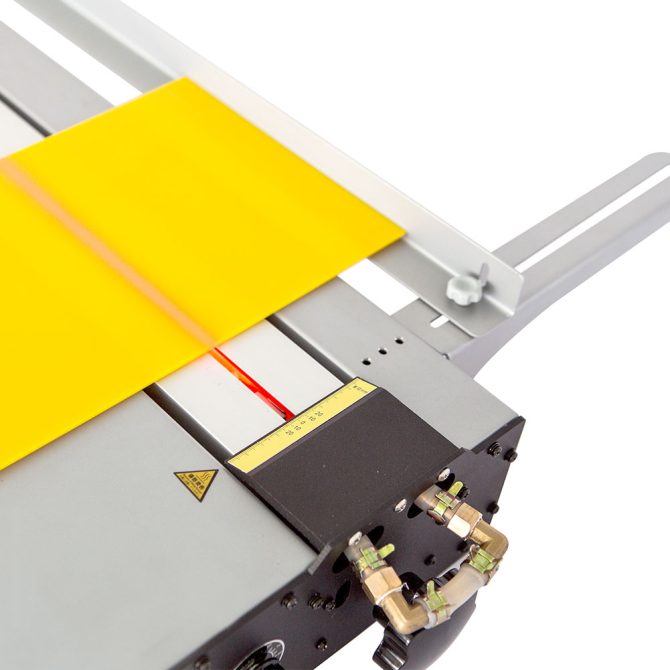
- Position your acrylic sheet over the heating strip
- Heat the material along your marked bend line
- Once softened, gently bend to your desired angle
- Hold in place until cooled and set
The result is a clean, strong bend with a professional finish.


We can supply acrylic sheets in a limited range of sizes and thicknesses. Pricing varies depending on size—please ask staff during Creative Times for current costs.
You are welcome to bring your own thermoplastics to use with the machine.
When bringing your own material:
- It must be clean and free of coatings or unknown additives
- Cast acrylic is recommended for best results
- Avoid materials that may release strong fumes when heated (e.g. PVC or unknown plastics)
If you are unsure whether your material is suitable, please book a one-on-one session so staff can assist you.
Suitable materials
The acrylic bender works best with:
- Acrylic (Perspex) sheets
- Other thermoplastics such as Polypropylene and PETG (in some cases)
Materials and techniques to avoid
The following materials are not suitable for the acrylic bender:
- PVC or vinyl-based plastics (can release toxic fumes)
- Polycarbonate (may bubble, burn, or discolour)
- Unknown or mixed plastics
- Materials that are too thick to heat evenly
You should also avoid:
- Heating large areas (the bender is designed for straight-line bends only)
- Forcing bends before the material is fully softened (this can cause cracking)
- Overheating material (this can cause bubbling and an uneven surface)
If you are unsure whether your material is suitable, please speak to library staff.
Unlike a laser cutter, the acrylic bender does not use digital files. Instead, you will measure, mark, and position your material manually.
When planning your project, it is helpful to design the flat base form first. This can include marking where bends will occur, allowing space for material thickness, and identifying any corner fold areas before heating. Thinking through the flat layout ensures your final folded shape comes together accurately.
Things to consider when designing:
- Plan your bend lines carefully before heating
- Measure and mark accurately using a ruler or jig
- Allow space for bends when designing flat pieces
- Practice on test pieces before completing your final project
For designs with multiple bends, working in stages and allowing the material to cool between bends will produce the best results.
GENESIS Acrylic Bender – 700 mm wide
- Suitable for bending acrylic sheets up to 700 mm wide
- Heated strip designed for straight-line bending
- Adjustable temperature control for different material thicknesses
- Angle bending guide 0 – 135 degrees
Recommended material thickness:
- Approximately 2–6 mm for best results
The acrylic bender is designed for:
- Creating sharp bends and folds in acrylic
- Forming angles for boxes, stands, and enclosures
- Producing professional-looking edges without cutting
Bends can be made by hand or with simple jigs to achieve consistent angles such as 90° folds.
Example projects
- Earrings
- Display stands
- Sign holders
- Brochure holders
- Small boxes and enclosures
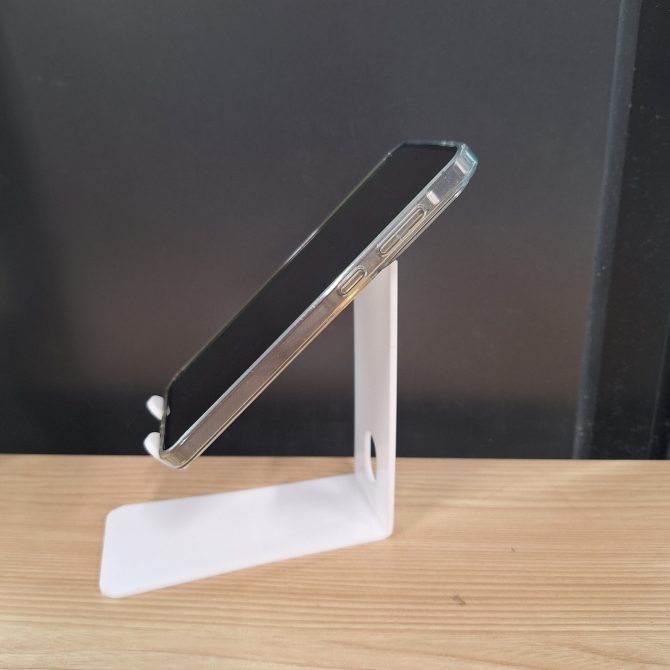
- Phone or tablet stands
- Light diffusers
- Custom brackets

Customers are responsible for understanding their legal obligations under copyright, trademark, patent, and industrial law as well as their moral obligations to protect their own and others' intellectual property. Our libraries are busy public places. While we will endeavour to do our best to protect the privacy of your work, we cannot guarantee that it will not be seen by other customers. The Library reserves the right to refuse any request.
Can't make a Creative Time or need expert guidance?Can't make a Creative Time or need expert guidance?